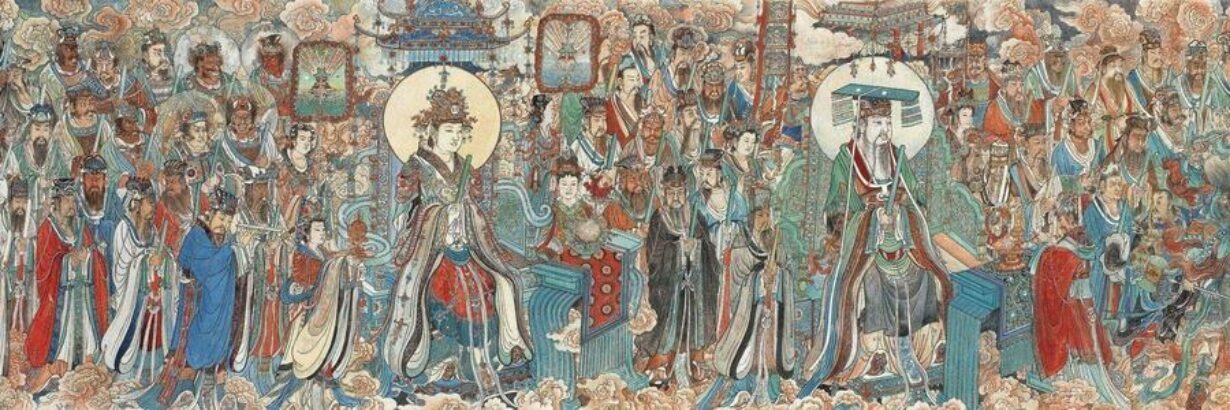

Learn to interpret the Four Pillars of Destiny, understand zodiac clashes and combinations, and explore the principles of auspicious timing through the traditional system of Ba Zi.
The study of Chinese metaphysics offers a sophisticated approach to understanding the relationship between time, individual destiny and the changing patterns of the Five Elements. Among its most important systems is Ba Zi (八字), also known as the Four Pillars of Destiny, which analyses the energetic structure of a person’s birth through the Heavenly Stems and Earthly Branches.
With the arrival of the Ding Wei (丁未), or Fire Goat, year in February 2027, interest in annual forecasts, zodiac compatibility and auspicious timing will once again increase. Yet the traditional study of Ba Zi extends far beyond general horoscope predictions. It provides a structured method for examining how the energetic qualities of a particular year interact with an individual’s birth chart and longer cycles of time.
For students of Daoism, Chinese astrology, Feng Shui and traditional Chinese metaphysics, the coming year offers an excellent opportunity to deepen their understanding of these principles.
The Ba Zi Master Class offered by the International Daoist College is designed to help students develop this understanding through systematic study, practical chart interpretation and the analysis of real-life cases.
Discover the Ba Zi Master Class and register online.
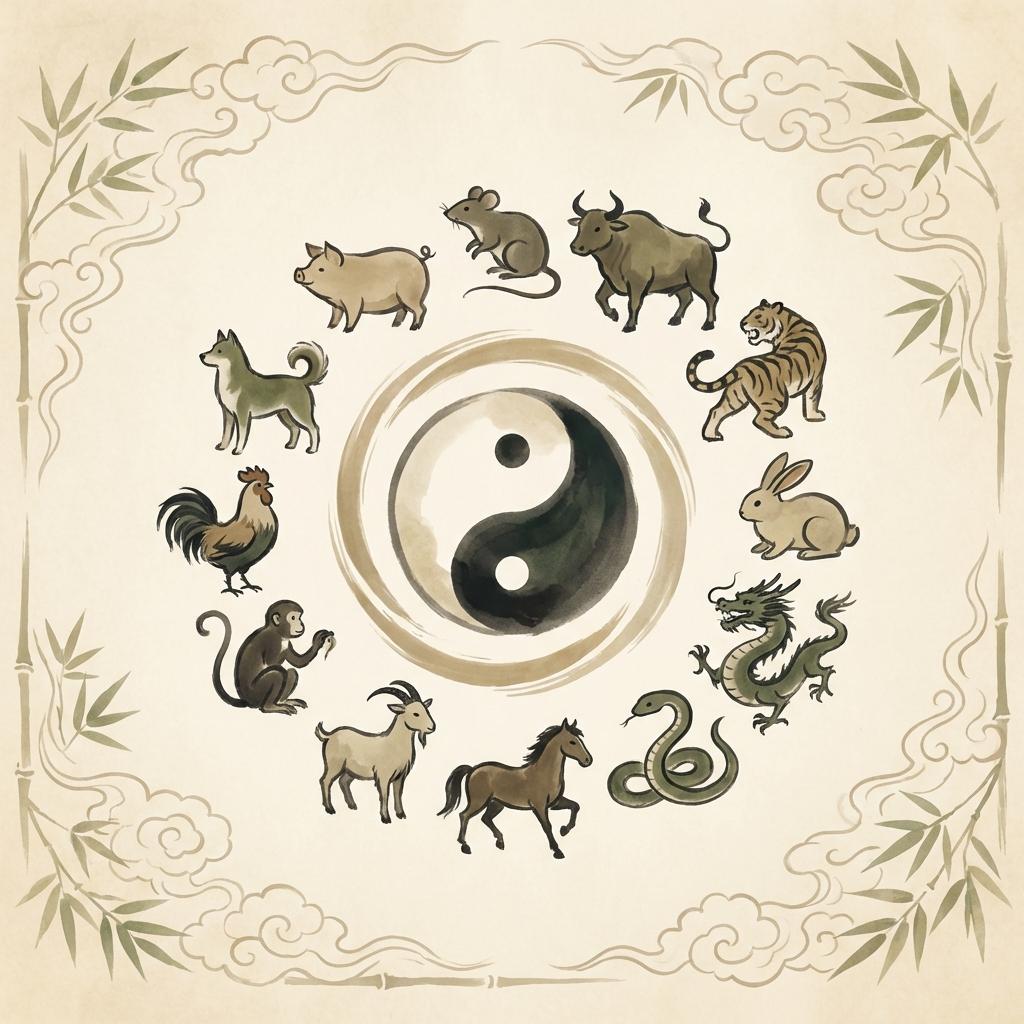
Ba Zi: Beyond the Twelve Zodiac Animals
In popular Chinese astrology, the character of a year is often explained through its associated zodiac animal. However, within Ba Zi, the animal is only one component of a more comprehensive system.
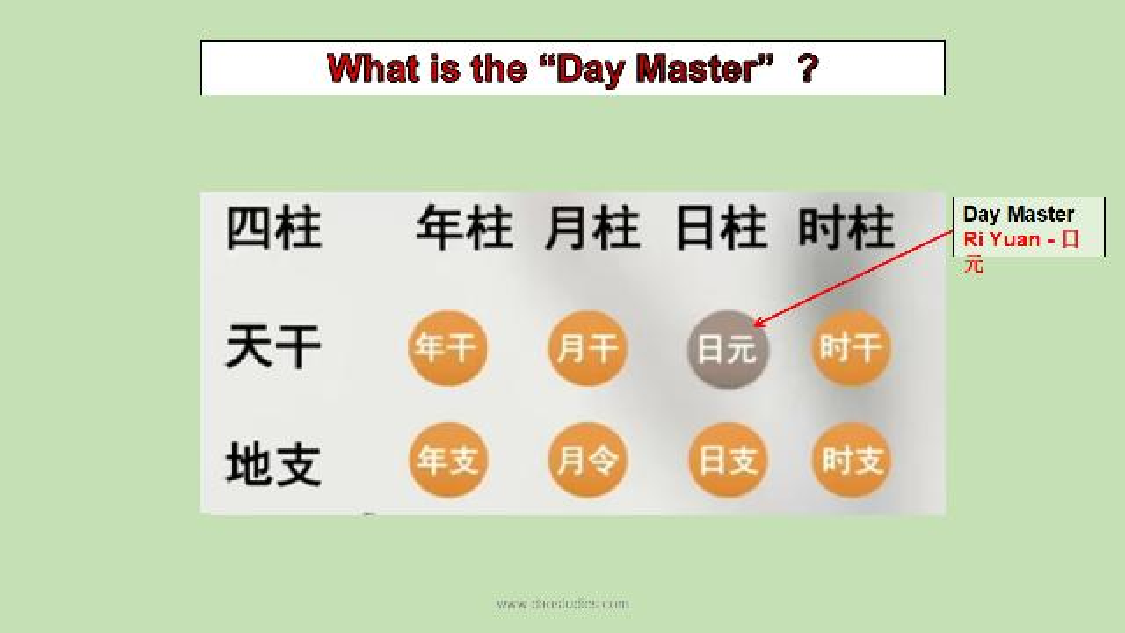
Each Ba Zi chart consists of four pillars representing the year, month, day and hour of birth. Each pillar contains a Heavenly Stem and an Earthly Branch, creating the eight characters from which the system takes its name.
A proper interpretation considers several interconnected principles:
- Yin and Yang and the relationships between the Five Elements.
- The ten Heavenly Stems and twelve Earthly Branches.
- The Day Master and the overall balance of the chart.
- The Ten Gods and their symbolic relationships.
- Combinations, clashes, harms, punishments and transformations.
- The Luck Pillars and the changing influences of time.
These principles cannot be interpreted independently of one another. A particular element or branch may have different implications depending on the structure of the chart and the role it plays within the overall configuration.
This is one of the central reasons why studying Ba Zi systematically is so important. Memorizing the twelve zodiac animals may provide a basic introduction, but meaningful chart interpretation requires an understanding of the relationships between all the components.
The Ba Zi Master Class introduces these foundations and develops the practical skills needed to apply them to individual charts.
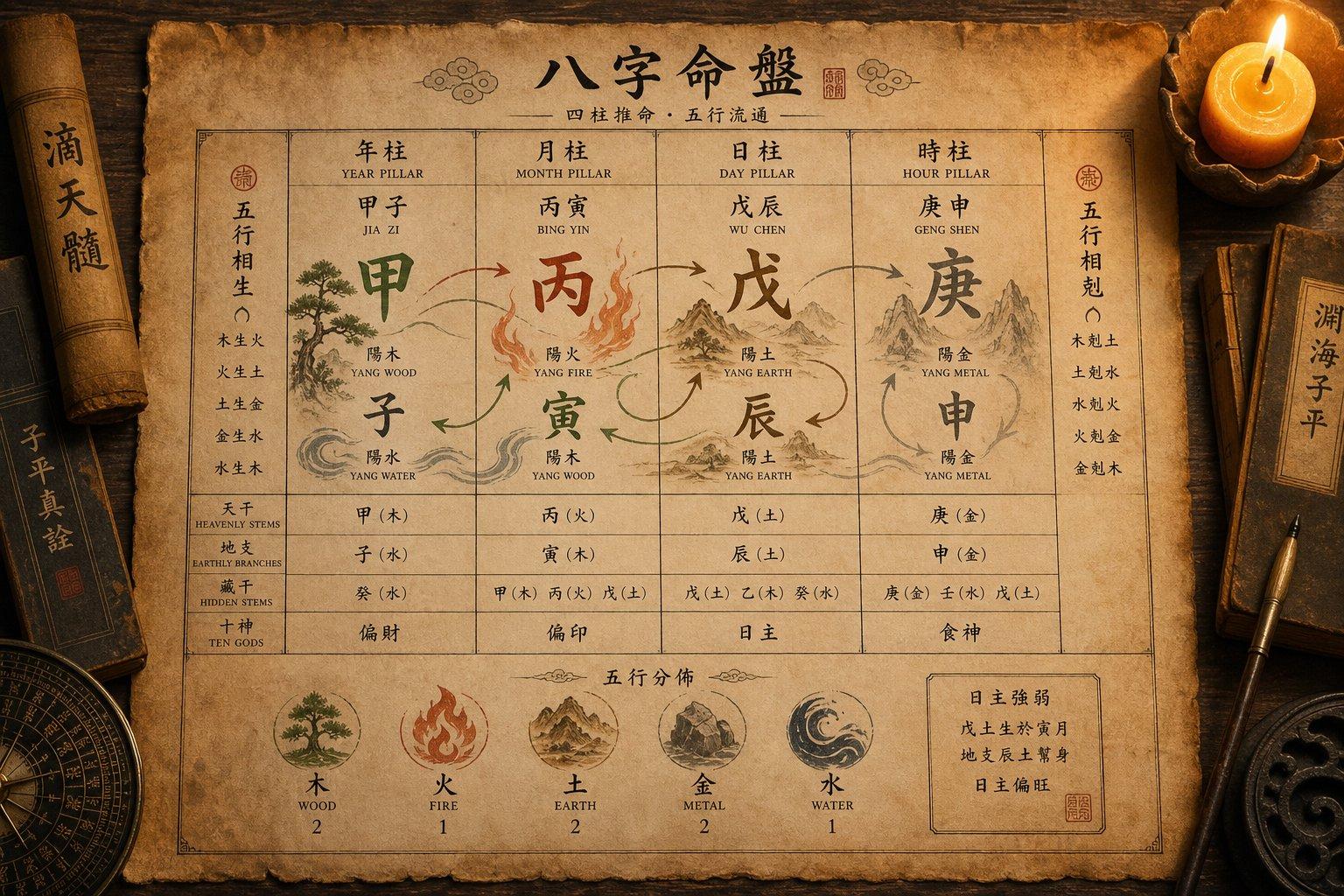
The Fire Goat Year 2027: An Example of Annual Ba Zi Analysis
In Ba Zi, the Ding Wei year begins at Li Chun (立春), the Beginning of Spring, in early February 2027. The Heavenly Stem Ding (丁) represents Yin Fire, while the Earthly Branch Wei (未) corresponds to the Goat and carries an Earth association.
The combination provides a useful example of how Ba Zi examines the interaction between stems, branches and the Five Elements.
Yin Fire is traditionally associated with illumination, refinement, concentration and the expression of knowledge. Earth is associated with stability, nourishment, responsibility and the consolidation of existing structures.
At a general symbolic level, the Fire Goat year can therefore be interpreted in terms of bringing ideas into practical form, developing specialized knowledge and strengthening long-term foundations.
However, these descriptions are not universal predictions. Whether Fire or Earth supports an individual depends on the complete Ba Zi chart.
For one person, an increase in Fire may support the chart’s balance. For another, additional Fire may intensify an existing excess. The same principle applies to Earth and the other elements.
This distinction illustrates a fundamental concept taught in Ba Zi: an element cannot be classified as universally favorable or unfavorable without examining its function within the individual chart.
Through the study of chart construction, elemental relationships and the Day Master, students learn to approach annual influences in a more precise and contextual manner.
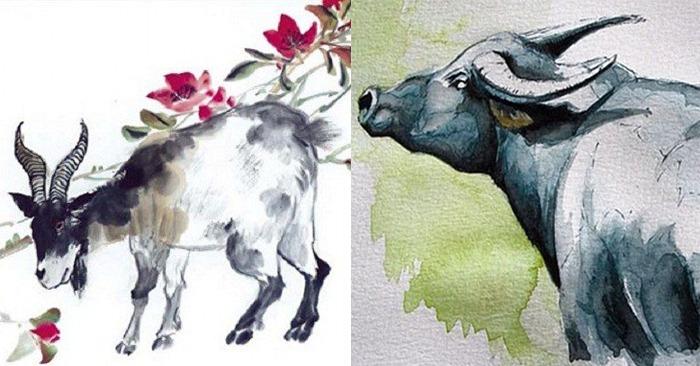
Zodiac Clashes in 2027: Why the Ox–Goat Relationship Matters
One of the most widely discussed relationships in the Fire Goat year is the direct clash between the Goat (未) and the Ox (丑).
In the traditional system of the twelve Earthly Branches, these two branches occupy opposing positions and form one of the six major clashes.
A clash is commonly associated with movement, confrontation, change or the need to reorganize an existing situation. It should not automatically be interpreted as a sign of misfortune.
For example, a clash may symbolize a change of professional direction, a restructuring of responsibilities or the need to reconsider an established arrangement. Its significance depends on the branches involved, the elements they contain and their roles within the chart.
Other branch relationships are also relevant to the Goat year:
| Earthly Branch relationship | Traditional interpretation |
| Ox–Goat (丑–未) | Direct clash; potential tension or change |
| Rat–Goat (子–未) | Harm relationship; indirect tension |
| Ox–Goat–Dog (丑–未–戌) | Punishment configuration, subject to the full chart |
| Horse–Goat (午–未) | Six Harmony relationship |
| Pig–Rabbit–Goat (亥–卯–未) | Wood Three Harmony combination |
These relationships provide examples of the technical distinctions that a student of Ba Zi must learn to recognize.
A combination does not necessarily produce a favorable outcome, just as a clash does not necessarily indicate a negative one. Interpretation depends on the full configuration, including the Day Master, elemental balance and timing.
The Master Class covers these interactions as part of its study of combinations, clashes, harms, punishments and transformations.
For students wishing to progress beyond general zodiac forecasts, this is an essential step towards understanding how traditional Ba Zi analysis works in practice.
Auspicious Dates and the Traditional Art of Date Selection
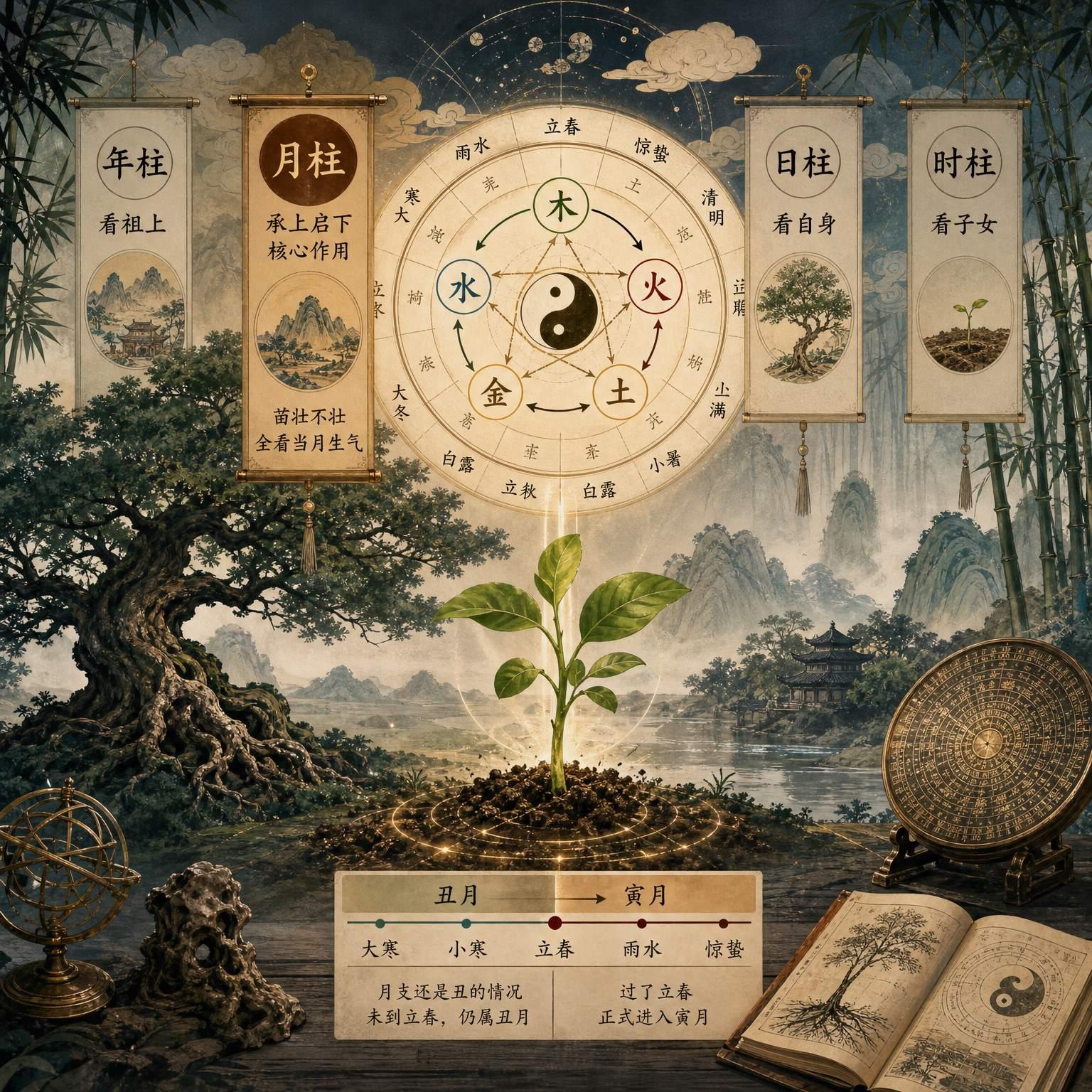
Another important application of Chinese metaphysics is Ze Ri (择日), the selection of appropriate dates for particular activities.
Traditional Chinese calendars, including the Tong Shu (通书), classify days according to their characteristics and customary suitability for undertakings such as opening a business, signing agreements, moving house or beginning a new project.
The selection process may consider the day’s branch, the year’s influences, the nature of the intended activity and the personal birth charts of those involved.
The following dates are examples of candidates for further investigation in a traditional business-opening calendar. They should not be regarded as universally auspicious without a complete calendar verification.
| Date in 2027 | Traditional day designation | Possible planning context |
| 14 February | Open (开) | A potential date to examine for a new initiative |
| 17 April | Open (开) | A potential date to examine for a project launch |
| 11 July | Success (成) | A potential date to examine for commencing an undertaking |
| 11 September | Success (成) | A potential date to examine for a business activity |
| 24 October | Success (成) | A potential date to examine for a new initiative |
A traditional day designation is only one consideration. Before using any of these dates for an important event, the relevant Tong Shu calendar and the precise date-selection criteria should be checked.
For example, a day may be classified as suitable for opening a business while still presenting a clash or other unfavorable relationship for a particular person.
This demonstrates why date selection requires more than simply consulting a list of auspicious days. A complete assessment distinguishes between general calendar classifications and the specific requirements of an undertaking.
Through a deeper study of Ba Zi, students gain the conceptual foundation needed to understand annual and daily branch relationships and how these interact with personal charts. Detailed date selection, however, also requires the appropriate calendar and date-selection methods.
From General Forecasts to Individual Chart Interpretation
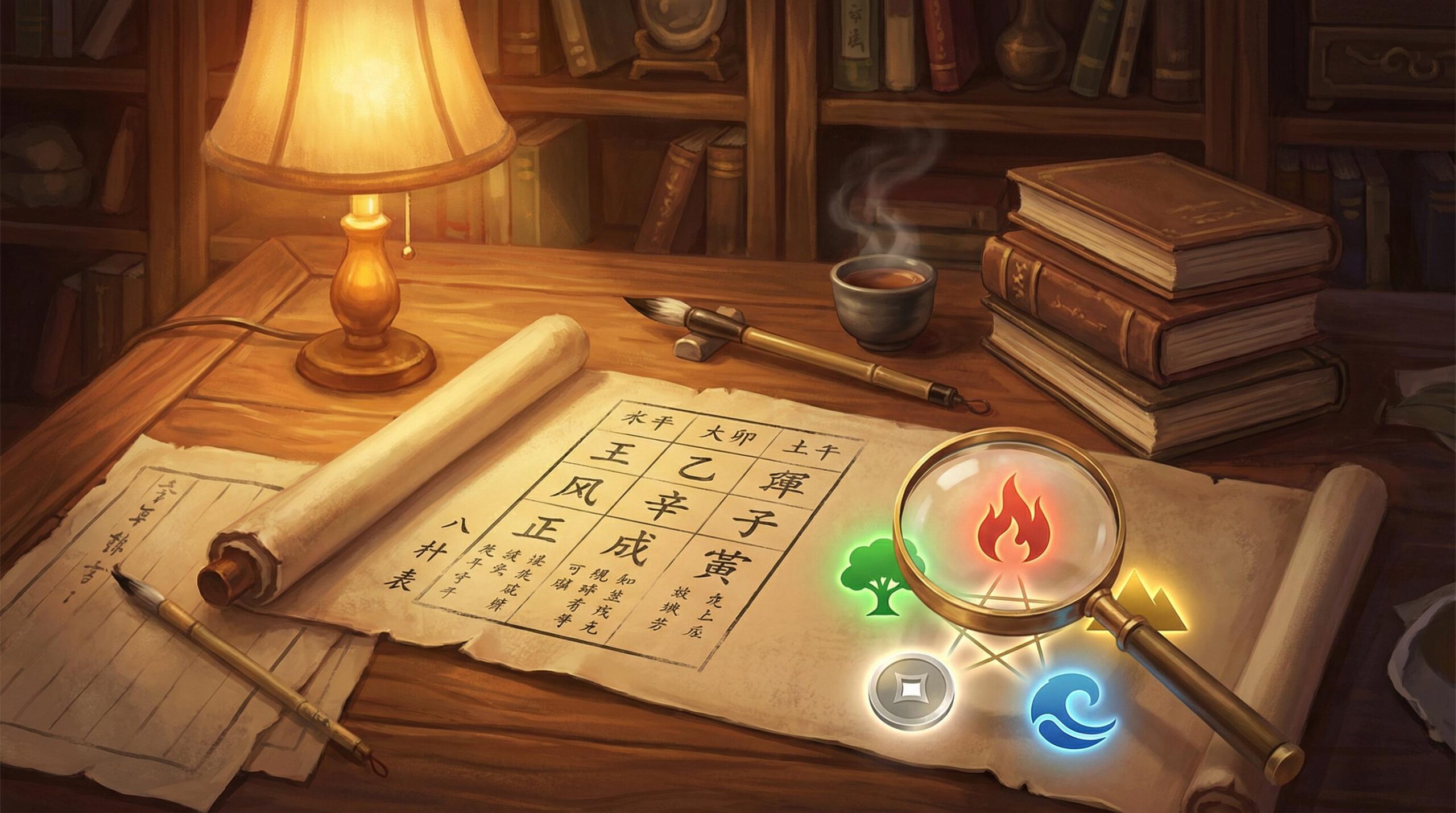
The Fire Goat year illustrates an important distinction between popular Chinese astrology and the technical study of Ba Zi.
A general forecast describes broad symbolic tendencies associated with the year. An individual Ba Zi reading examines how the year interacts with a specific birth chart.
Two people born in the same zodiac year may have very different charts because their birth months, days and hours differ. Their Day Masters, elemental balances and Luck Pillars may also differ.
Consequently, the same annual influence may play different roles in their respective charts.
To interpret these differences, practitioners must understand:
- Chart construction: Establishing the correct Four Pillars from birth information.
- Day Master analysis: Examining the central reference point of the chart and its relationship with the surrounding elements.
- The Ten Gods: Understanding the traditional symbolic relationships between the Day Master and the other stems.
- Luck Pillars: Analyzing longer cycles and their interaction with the natal chart.
- Branch and stem interactions: Assessing combinations, clashes, harms and punishments within the full structure.
- Practical interpretation: Integrating the different factors instead of relying on isolated symbols.
These are not simply theoretical subjects. They form the foundation of a consistent approach to chart reading.
The purpose of systematic study is to develop the ability to examine the evidence in a chart, understand the relationships involved and form an interpretation appropriate to its context.

The Ba Zi Master Class at the International Daoist College
The Ba Zi Master Class is an online program offered by the International Daoist College for beginners and more experienced practitioners who wish to develop their knowledge of Chinese destiny analysis.
The program combines foundational theory with practical chart interpretation. Rather than limiting the study to zodiac descriptions, it introduces the principles and methods used to analyze the Four Pillars and understand the relationships between the elements, stems and branches.
What will students study?
The foundations of Ba Zi
Students explore Yin and Yang, the Five Elements, the Heavenly Stems and Earthly Branches, and the fundamental structure of the Four Pillars.
Chart construction and the Day Master
The course covers the construction of Ba Zi charts, the interpretation of the stems and branches, and the role of the Day Master in understanding the individual chart.
The Ten Gods and Luck Pillars
Students study the Ten Gods and examine how Luck Pillars are used in traditional interpretations of changing life stages and annual influences.
Combinations, clashes and compatibility
The program examines branch and stem interactions, including combinations, clashes, harms, punishments and transformations, as well as traditional compatibility analysis.
Practical chart reading
Real-life charts and case studies are used to develop practical understanding. Students have the opportunity to examine multiple charts with the teacher and strengthen their interpretive skills.
Applications in personal and professional practice
The program also explores traditional approaches to personal circumstances, relationships, work and the restoration of harmony. These are taught within the context of Chinese metaphysical practice rather than as substitutes for medical, psychological, legal or financial advice.
Online teaching and study materials
According to the published course information, the program includes more than twelve live online classes, study materials, tables and templates. Classes are recorded and made available in the student member area for later review. Students are also invited to participate in the course’s Discord learning community.
The program is taught by Patrick Liu (Liu Cheng Yong), an ordained Daoist High Priest of the 24th generation of the Quan Zhen Long Men Pai and chairman of the German Daoist Association.
The online format makes the program accessible to students in different locations who wish to study Ba Zi in a structured educational environment.
Who Is the Ba Zi Master Class For?
The program is intended for a broad range of students interested in the traditional Chinese understanding of destiny, time and elemental relationships.
It may be particularly relevant to:
- Beginner students who want to establish a systematic foundation in Ba Zi.
- Students of Daoism and Chinese metaphysics seeking to deepen their theoretical knowledge.
- Practitioners of Feng Shui or Yi Jing who wish to expand their understanding of related systems.
- Students who already know the zodiac animals but want to learn how complete Ba Zi charts are interpreted.
- Experienced learners seeking further practice with chart analysis and real-life examples.
- Those interested in developing their skills towards practitioner-level work.
Previous experience is not required according to the course description, making the programme accessible to newcomers while also offering subjects of interest to more advanced students.
The central objective is to develop a more comprehensive understanding of Ba Zi and the ability to apply its traditional principles with greater consistency.
Begin Your Study of Ba Zi
The Year of the Fire Goat offers a useful starting point for exploring the relationships between annual influences, the Five Elements and the twelve Earthly Branches. Yet these relationships become much more meaningful when understood within the wider framework of the Four Pillars of Destiny.
The Ba Zi Master Class invites interested students to take that next step — from reading the horoscope of the year to understanding the principles behind the art of Four Pillars analysis.
Learning Ba Zi means moving beyond general predictions and developing the ability to examine how individual charts are structured, how their components interact and how changing cycles are traditionally interpreted.
Through systematic study, theoretical foundations and practical chart analysis, students can develop a deeper appreciation of Ba Zi and its place within Chinese metaphysics.
For those who wish to pursue this knowledge in a structured way, the Ba Zi Master Class offers an opportunity to study the foundations and practical applications of this traditional Chinese system.
Registration and course information

Ba Zi Master Class — Online Course
A structured program in Ba Zi analysis, elemental relationships, chart interpretation and traditional Ba Zi methods.
Next start date: December 6th 2026
The course page lists an early-registration discount and monthly payment option. Please check the current terms when registering.
Questions: info@daostudies.com